Charleston-area nonprofits help vulnerable students beyond the classroom. Here’s how.
October 20, 2026
Originally posted on The Post and Courier
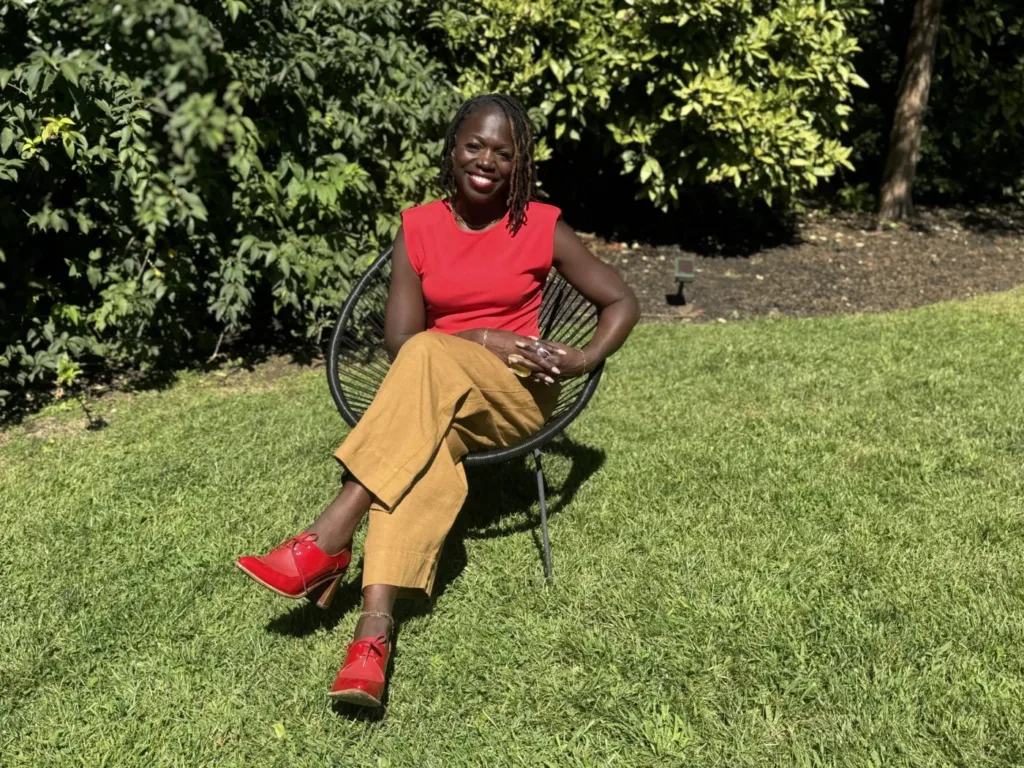
NORTH CHARLESTON — When Dyrell Clark began tutoring a third-grader struggling with reading, he realized the boy lacked a mentor willing to show up for him.
Over time, the student, who did not have his father in the household, began to see a male role model in Clark — the executive director of Reading Partners SC, a regional branch of a national nonprofit focused on literacy.
Months after they had bonded, Clark said, progress became evident: Test scores showed that the boy had scored at a fifth-grade reading level.
“It’s that magical piece of pairing a student up with someone that they need or that they miss and that person consistently going over things with them,” Clark said.
Nonprofits working in the Charleston area are helping local students in a variety of ways, from tutoring in math and reading and mental health support to providing school supplies, transportation and food. Leaders said success often depends on building trust with students, especially those dealing with instability outside school.
The presence of an adult who knows students, earns their trust and makes them feel valued and supported can boost self-esteem, motivation and confidence, which often leads to better grades, nonprofit leaders said.
“When you talk about resources (like) guidance and consistency, our students need those to be successful, not only in the classroom but in life as well,” Clark said.
Hands-on community support
For volunteer-based nonprofits, that consistency is built into the business model. The organizations combine relationship-based tutoring with structured curricula, school partnerships and broader community support.
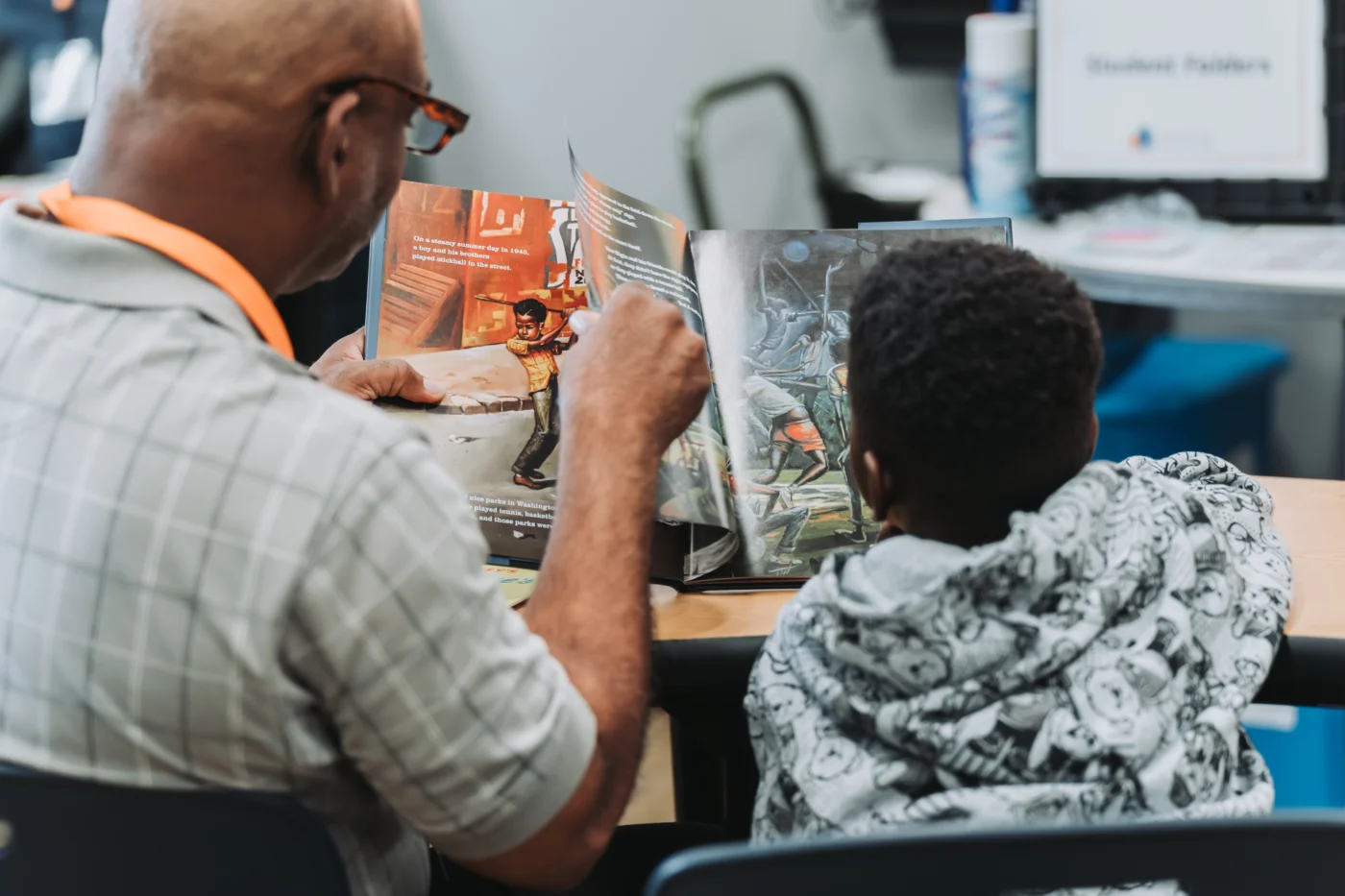
At Reading Partners SC, community volunteers are matched with students in schools with high poverty rates to provide one-on-one tutoring sessions.
The nonprofit sets up reading centers inside partner schools, which are managed by AmeriCorps volunteers, and teams up with school administrators and teachers to identify students who need support.
The five partnership schools in Charleston are North Charleston Creative Arts, Pinehurst Elementary, St. Andrews School of Math and Science, Angel Oak Primary and Green Charter School Lowcountry.
Students meet with the same community volunteers twice a week for 45 minutes during the school day.
Since 2013, the organization has served more than 7,000 students in Charleston, with a 91 percent success rate in helping kids reach or exceed grade level in reading, Clark said. This year, it is on target to serve at least 400 students across the five schools.
Another organization, Heart Math Tutoring, takes a similar approach. It focuses on helping students from kindergarten through fifth grade build foundational math skills and pairs them with volunteer tutors who provide regular and individualized support.
The nonprofit was founded in Charlotte, N.C., and expanded to Charleston during the 2021-22 school year. It partners with four Charleston County schools — Matilda Dunston, North Charleston Creative Arts, Charleston Progressive Academy and Sanders Clyde — and Compass Collegiate Academy, a North Charleston-based charter.
School staff nominate students who need extra math help, said Madison Anderson, executive director of the Charleston region. Volunteers commit to 30 minutes or one hour per week and each student is seen twice a week for 30 minutes by two different tutors in lessons during the school day.
The curriculum uses hands-on activities, such as playing with cubes or cards, as well as step-by-step exercises focusing on basic math skills like adding and subtracting, counting and comparing and contrasting quantities, Anderson said.
Beyond delivering the curriculum, volunteer tutors act as mentors and cheerleaders, Anderson said.
“We spend a lot of time intentionally getting to know the children, and they can learn about somebody’s background, career or lived experience they wouldn’t have otherwise known,” she said.
The network of volunteers allows students to build relationships with adults from different parts of the community, including Boeing employees, community leaders and retirees.
College of Charleston students also can volunteer, Anderson said. The college’s Center for Civic Engagement connects students with the math nonprofit through campus events.
“You don’t have to be a math person,” Anderson said. “If you can count to 10, you can help.”
More than academics
Tutoring is only one piece of what students might need to succeed. For Communities in Schools South Carolina, helping students often means addressing circumstances outside the classroom that can make learning a challenge.
The organization focuses on providing non-academic support for students attending high-poverty schools from kindergarten to high school so they can be stable enough to succeed.
Founded in New York in the 1970s, the nonprofit was established in South Carolina in 1986 across the Midlands, Upstate and Lowcountry regions. Currently, it’s serving nearly 50 schools and about 26,000 students statewide.
Nonprofit coordinators are spread across schools every day, working with principals, teachers and counselors to identify students facing obstacles such as housing instability and homelessness, food insecurity and financial and transportation-related barriers, said Jamie Cooper, president and chief executive officer of the organization.
Those needs can make relationships even more important, as coordinators rely on trust to understand what families need and connect them with the right resources, Cooper said.
“If we can meet that insecurity in any way and empower and equip (students) to show up ready to learn, then they have a chance, but if they’re struggling with all those other issues, the last thing on their mind is reading or algebra,” he said.
Whether they’re helping a student read a difficult word, understand a math problem, or navigate a challenge at home, nonprofit leaders said the work often starts with showing up consistently and earning students’ trust.
Families looking for additional support have other local options, including:
- Charleston HOPE, which provides free therapy and behavioral health programs for students in high-poverty schools.
- Kids on Point, which offers free, year-round academic, athletic and extracurricular activities for under-resourced students in Charleston.
- Beyond Our Walls, a North Charleston-based nonprofit that provides free after school programs, summer camps and educational support for students from pre-kindergarten through 6th grade.
For nonprofit leaders, meeting all students’ needs takes the whole community.
“Schools cannot do it alone,” Cooper said. “They have something they’re trying to accomplish every year, but often there’s gaps and nonprofit community organizations are able to simply come alongside, fill those gaps, align with the school and the district and really just be present. It really takes all of us being there and coming alongside each other to ensure that our students have the greatest opportunity for success.”
Related News & Events
See All NewsOctober 14, 2026
A Do-Gooder’s Guide to Dallas-Fort Worth
September 29, 2026
The Reading Crisis Is Solvable